Shape_Shift
Digital Thesis Exhibit
ITECH 2025
MS4DP
Multi-Step Sectional 4D Printing
Scroll
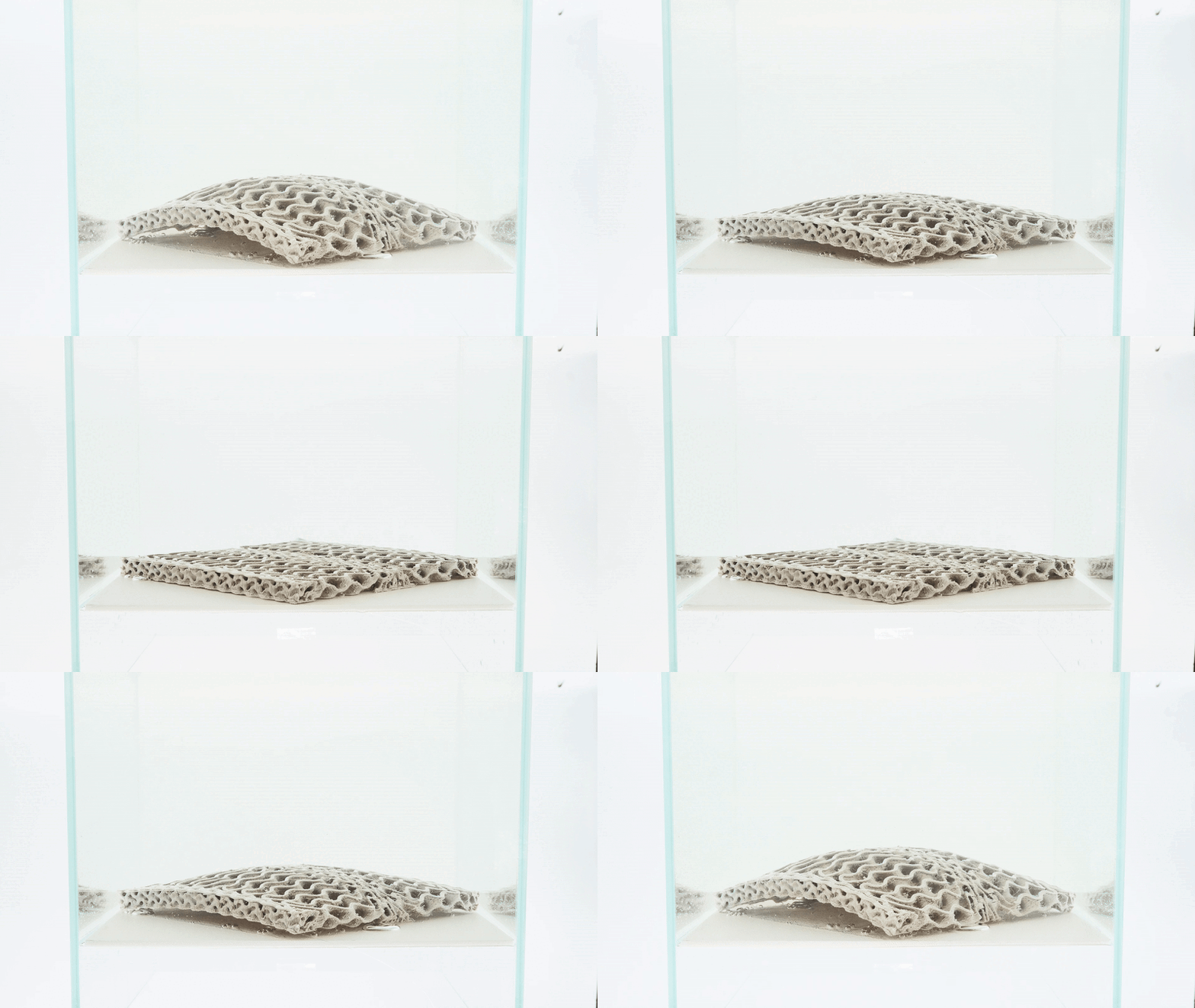
Nature adapts continuously to its environment. Pinecones open and close in response to moisture due to anisotropic fiber structures.
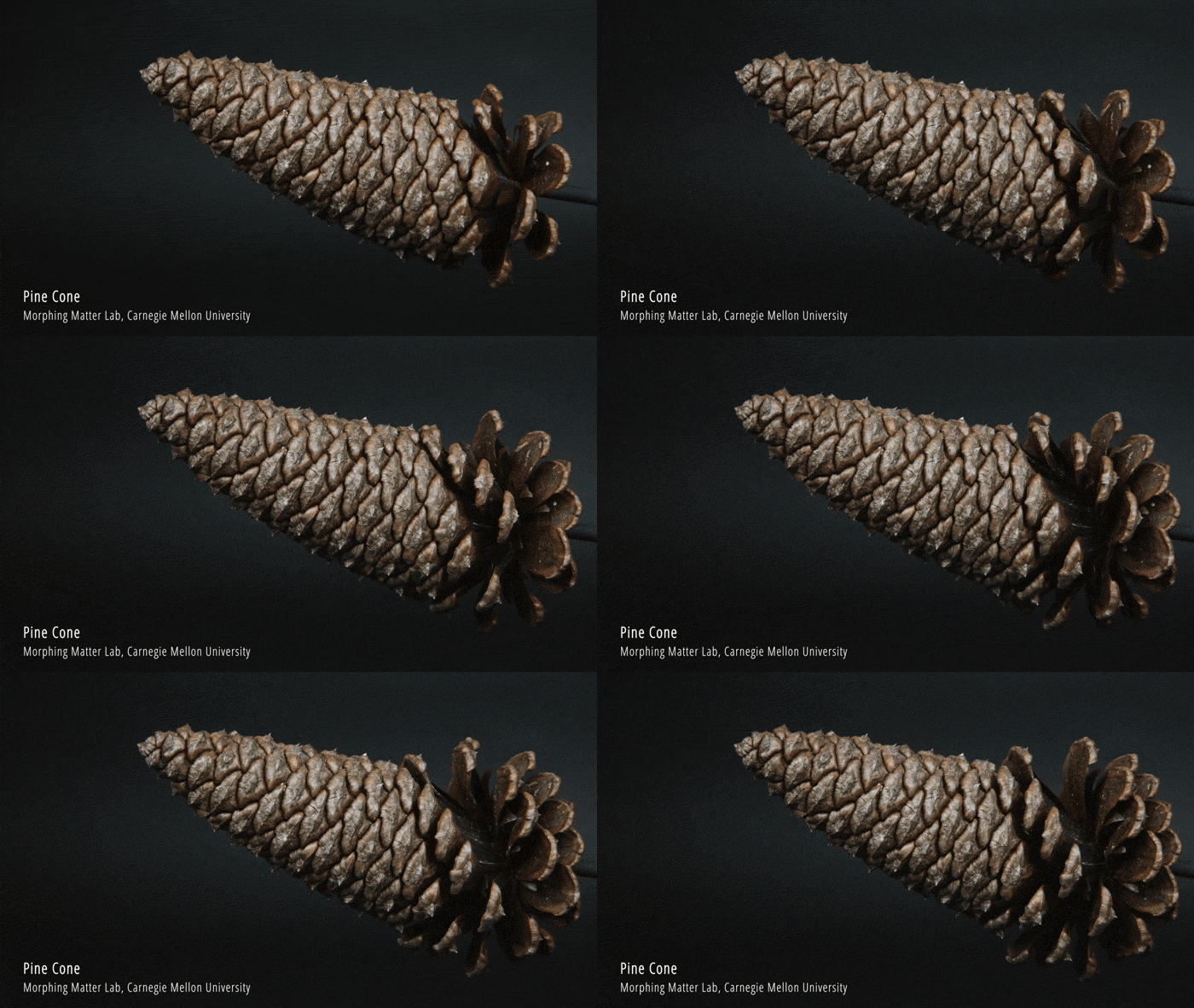
Video courtesy the Morphing Matter Lab at Carnegie Mellon University, GIF by Brandon Echter. Source: Science Friday.
4D printing translates these biological principles into self-shaping surfaces. From hygroscopic cellulose-based filament, objects are printed flat and transform autonomously over time.
4D printing has been used for weather-responsive shading systems that require no additional energy or mechanisms to operate.
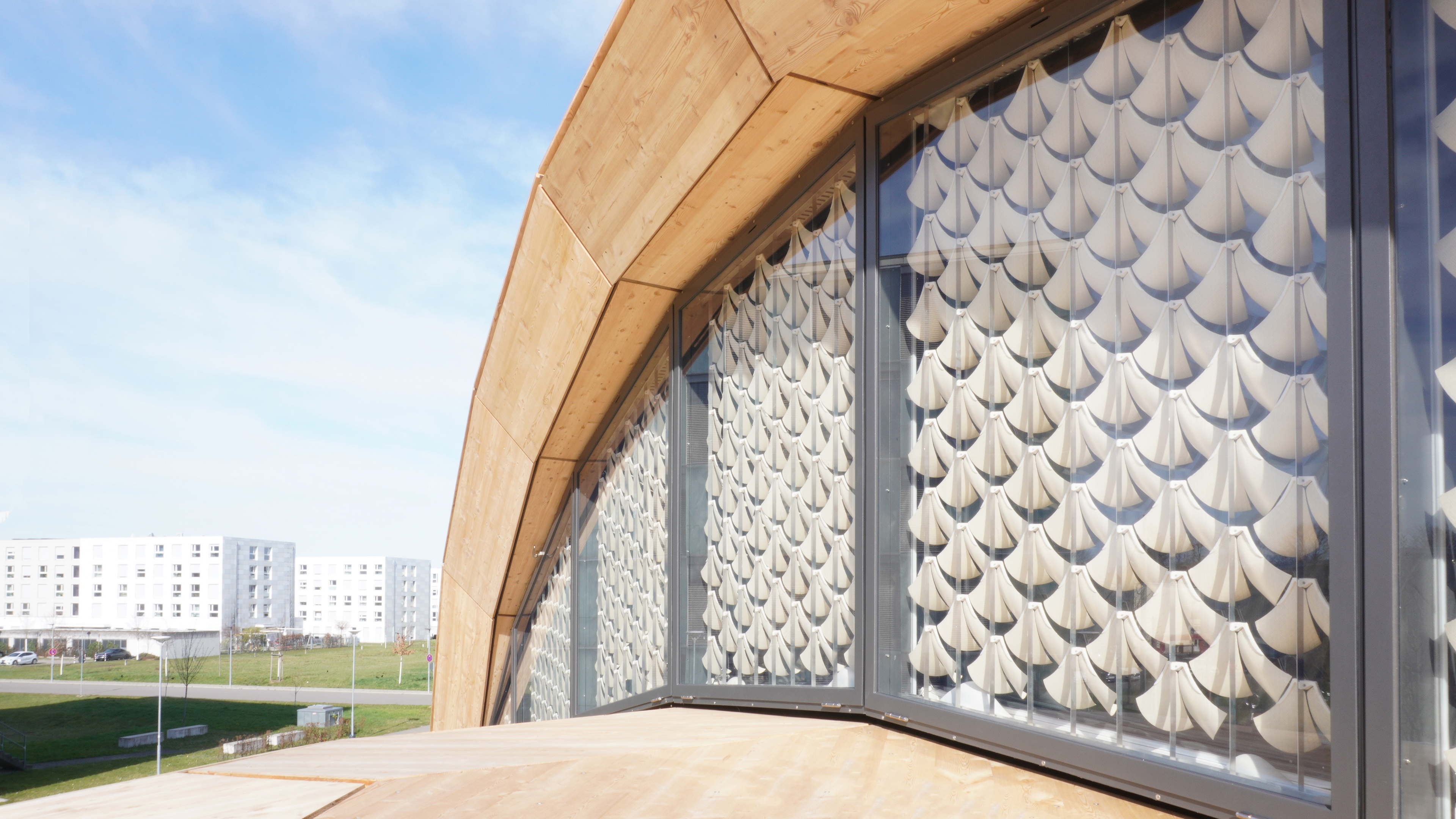
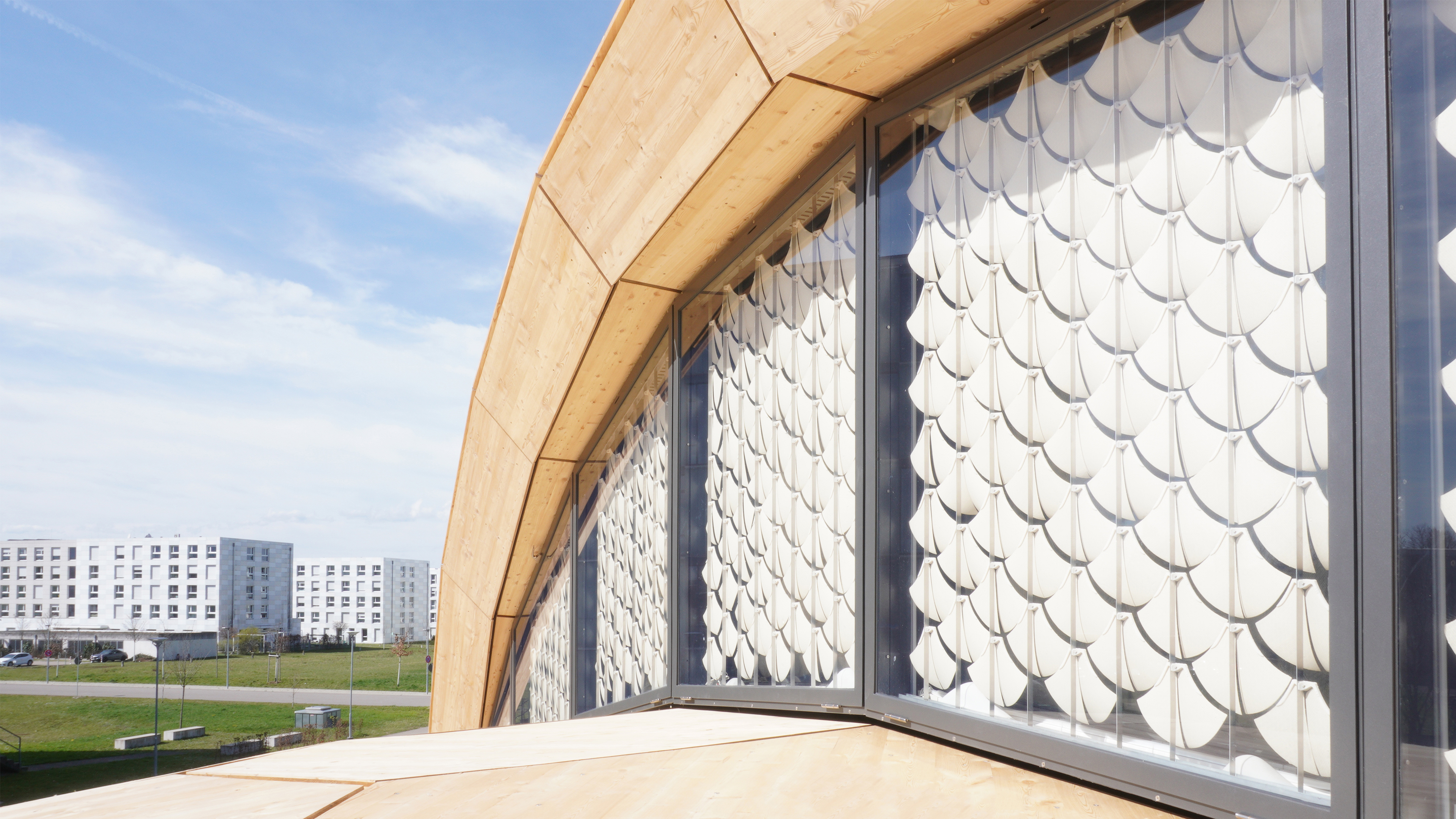
Weather-responsive shading system in open and closed states. Developed by the Institute for Computational Design and Construction (ICD), University of Stuttgart. Photographs © ICD/IntCDC University of Stuttgart. Source: Solar Gate Project.
But could shape change extend beyond the surface?
MS4DP explores one possibility.
MULTI-STEP
3D prints can be reoriented for material deposition on its multiple faces. This allows shape-changing behaviors in different directions, enabling more complex forms.
SECTIONAL
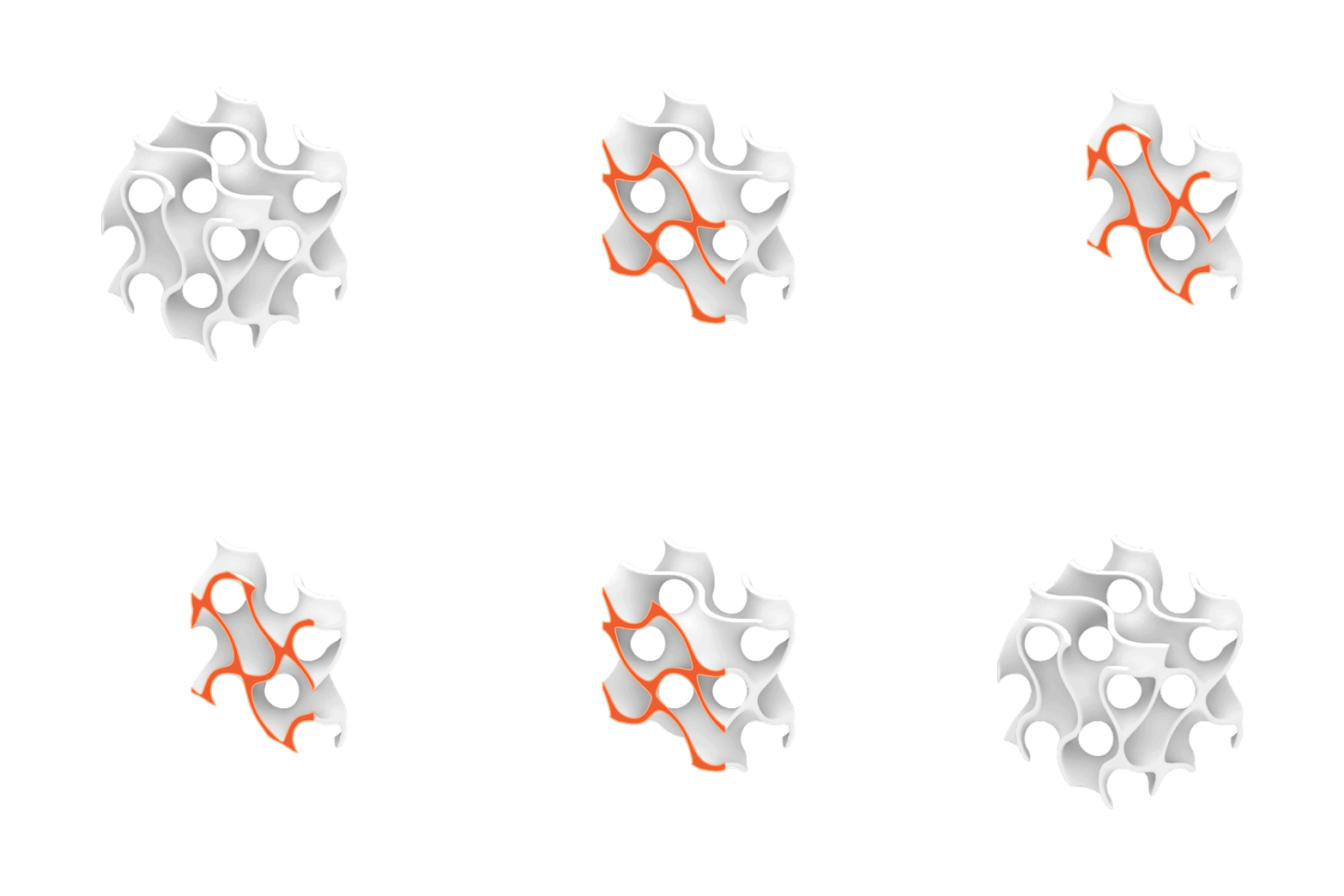
Porous gyroid geometries enable larger, lighter, stronger structures that respond quickly to moisture.
4D PRINTING
The object is not finished when it leaves the printer. Its final form develops through material response over time.

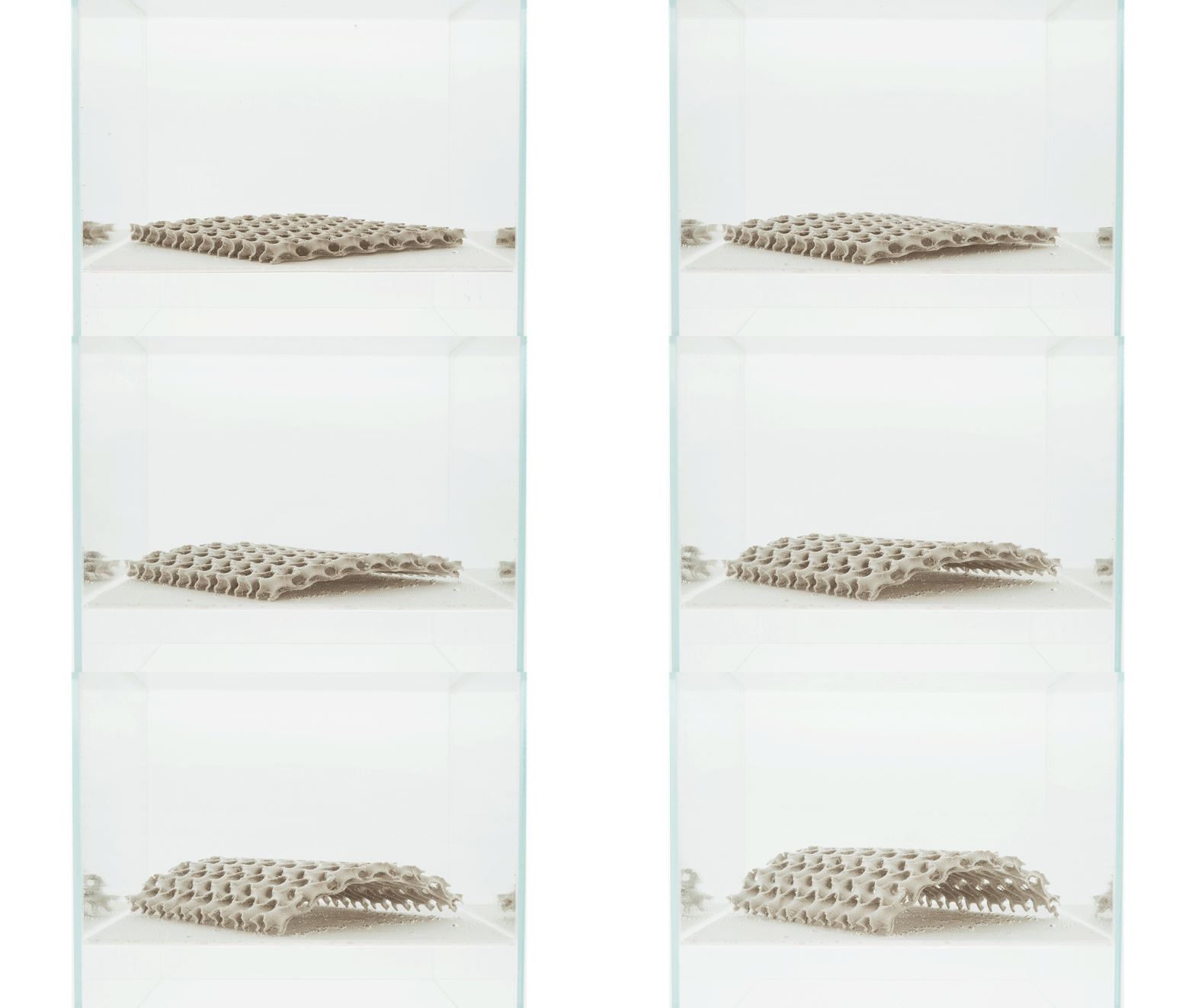
From adaptive facades to programmable formwork, MS4DP opens new possibilities for architecture that responds, adapts, and transforms alongside its environment.